What is Plastic Piling?
Table of Contents
- About Plastic Piling
- Applications Across Construction Sectors
- Installation Methods and Site Practices
- Types of Plastic Piles in Use
- Materials and Performance Characteristics
- Ground Conditions and Suitability
- Comparison With Traditional Piling Materials
- Advantages of Plastic Piling Systems
- The Role of Plastic Piling in Modern Construction
Last updated
31 July 2026
About Plastic Piling
Plastic piling refers to structural elements manufactured from polymer-based materials and used for ground retention, support, and environmental control. A plastic pile differs from traditional steel, timber, or concrete systems in its composition, typically made of PVC, HDPE, or composite materials.
These systems are commonly installed as vertical or interlocking sections within the ground. Plastic piles are used to create barriers, support soil, or resist lateral pressures in both temporary and permanent works. Their resistance to corrosion and degradation makes them suitable for environments where conventional materials may deteriorate over time.
Plastic piling is generally applied in situations where durability and environmental resistance are key considerations.
Applications Across Construction Sectors
Plastic piling systems are used in a range of construction, marine, and environmental projects where ground retention or protection is required.
Typical applications include:
- Waterfront and marine structures – Supporting riverbanks, canals, and coastal defences where long-term exposure to water is expected.
- Flood protection schemes – Forming barriers to manage water levels and reduce the risk of inundation.
- Retaining walls – Providing lateral support in excavations or areas with level changes.
- Environmental containment – Isolating contaminated ground to prevent migration of pollutants.
- Infrastructure works – Supporting embankments, service corridors, and utility installations.
Plastic piles are often selected in these applications due to their resistance to moisture, chemicals, and biological factors.
Installation Methods and Site Practices
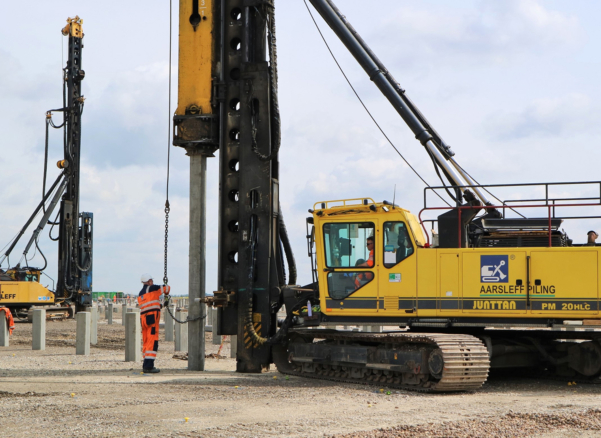
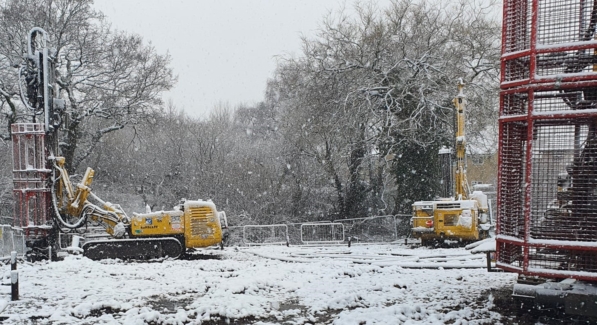
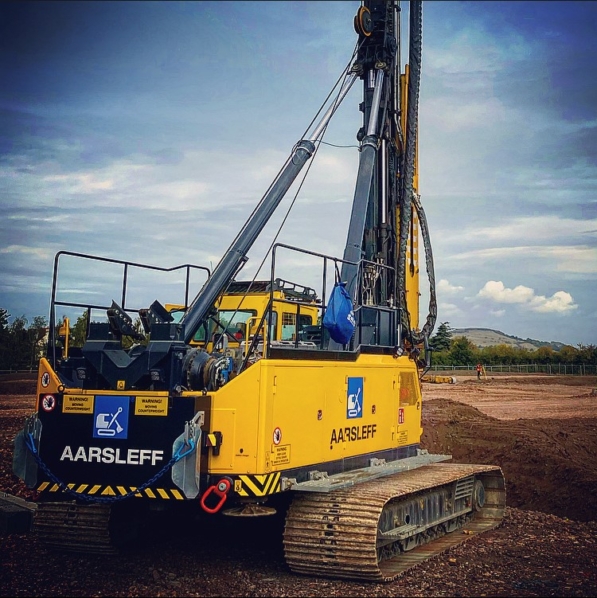
Installation of a plastic pile involves driving or placing the element into the ground using methods suited to site conditions. Equipment selection depends on soil type, required depth, and structural demands.
Vibratory hammers are commonly used for sheet-type systems, allowing interlocking sections to be installed with controlled alignment. For solid plastic piles, driving techniques similar to those used for timber or steel may be applied.
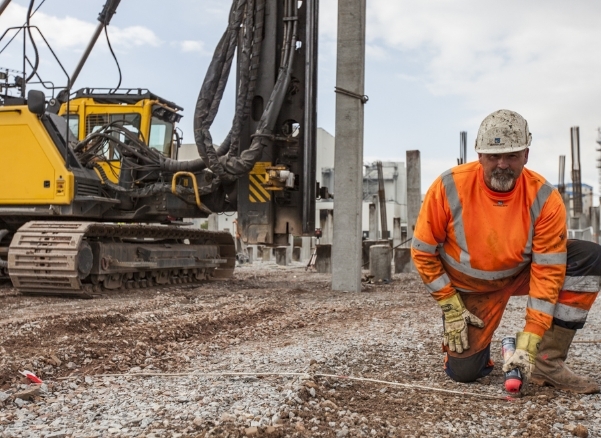
In some cases, pre-drilling or jetting is required to assist penetration in denser soils. Each plastic pile must be positioned accurately to maintain structural continuity and performance.
Compared to heavier materials, plastic piles are typically lighter, which can simplify handling and reduce lifting requirements during installation.
Types of Plastic Piles in Use
Plastic piling systems are available in several forms, each suited to different applications and structural requirements.
- Solid plastic piles are used in marine and waterfront environments where impact resistance and durability are required. These elements function similarly to timber piles but offer increased resistance to rot and biological degradation.
- Composite plastic piles combine polymer materials with internal reinforcement, improving strength and stiffness. These systems are used where higher load capacity is required while maintaining resistance to environmental exposure.
- Interlocking sheet systems, often referred to as plastic sheet piles, are used to form continuous retaining walls. These are widely applied in flood defence and containment projects.
Each type of plastic pile is selected based on performance requirements and site conditions.
Materials and Performance Characteristics
Plastic piles are manufactured from materials selected for durability and resistance to environmental factors. PVC is commonly used in sheet systems, while HDPE and composite materials are used in solid and reinforced configurations.
These materials provide resistance to corrosion, chemical exposure, and biological attack. Unlike steel, plastic does not rust, and unlike timber, it does not decay in wet conditions.
Structural performance depends on profile design, material composition, and installation method. Composite plastic piles can offer greater stiffness than standard polymer systems, enabling their use in more demanding applications.
Material selection is determined by environmental conditions, load requirements, and expected service life.
Ground Conditions and Suitability
Plastic piling systems are typically installed in soils where driving or vibration can be achieved without excessive resistance. Suitable conditions often include sands, silts, and softer clays.
In denser or highly compacted ground, installation may require additional preparation such as pre-augering. Soil characteristics influence both installation method and final performance.
Plastic piles are particularly suited to environments where corrosion risk is high, including marine and contaminated sites. Their resistance to degradation supports long-term use in these conditions.
Site investigation remains essential to determine compatibility between ground conditions and the selected piling system.
Comparison With Traditional Piling Materials
Plastic piling differs from steel, timber, and concrete systems in several key areas. Steel piling provides higher structural capacity and is used in applications requiring significant load resistance. However, it may require protective measures in corrosive environments.
- Timber piling offers a traditional solution but can be affected by decay, particularly in wet or biologically active conditions.
- Plastic piles provide an alternative where durability and low maintenance are required. While their structural capacity may be lower than steel, they are suitable for many retaining and environmental applications.
Selection between materials is based on project requirements, environmental exposure, and long-term performance considerations.
Advantages of Plastic Piling Systems
Plastic piling systems offer several functional advantages in construction and environmental works:
- Resistance to corrosion and chemical exposure in aggressive environments.
- Reduced maintenance requirements compared to steel or timber systems.
- Lightweight construction, simplifying transport and installation.
- Durability in wet and marine conditions without risk of rot or rust.
- Availability in multiple forms, including solid plastic piles and composite plastic piles.
These characteristics support their use in projects that require long-term performance and environmental resilience.
The Role of Plastic Piling in Modern Construction
Plastic piling forms part of a broader range of ground retention and protection systems used in modern construction. Solid plastic piles and composite plastic piles provide alternatives to traditional materials in specific environments.
Their application continues to expand in sectors where corrosion resistance and durability influence material selection. Plastic piles offer a controlled and adaptable solution for retaining structures, marine works, and environmental containment.

Written by Aarsleff UK
31 July 2026
Aarsleff Ground Engineering is a leading sheet piling supplier and contractor. We specialise in designing and delivering sheet piling solutions across the UK.

Reviewed by Mark Fuller, Piling Director
30 April 2026
Mark Fuller is the Piling Director at Aarsleff Ground Engineering. He has amassed a wealth of experience and knowledge within the specialist piling and ground engineering industry throughout his 20 years of experience in the industry. Mark is directly responsible for the overall driven piling within the business, including technical and operational management of awarded contracts, development of strategic long-term plans and planning of recruitment and resource.
Close