What are the different types of piles?
There are two main types of piles used in construction, each with their own benefits and applications:
- End-bearing piles – support structural loads by bearing on hard or dense soil or rock at the bottom of the pile. These piles transfer the load directly to the underlying soil or rock through end-bearing resistance.
- Friction piles – transfer the load of the structure through frictional resistance along the sides of the pile as it is driven or drilled into the soil.
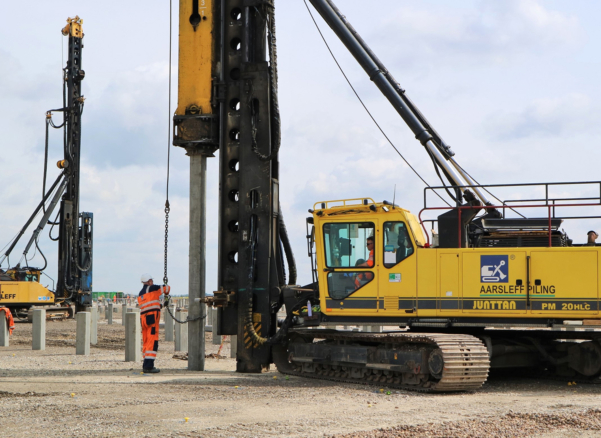
A pile foundation is a type of foundation system that uses piles to support a structure. The piles serve as individual supports for the piled foundation, transferring the load from the building to the ground below. Pile foundations can make use of end-bearing piles or friction piles – or a combination of the two, depending on soil conditions and project requirements.

Types of Piling
There are different types of piling, often named after their piling technique or method:


Do you Need Documentation for Piling?
While it’s important to choose the right type of piling for your specific project requirements and soil conditions, another factor to consider is the right documentation to ensure pile foundations are approved by local authorities or building control before installation can proceed. The required documents include site investigation reports, foundation drawings, integrity tests, piling logs, load calculations and so on.

Close