What is Twister Piling?
About Twister Piling
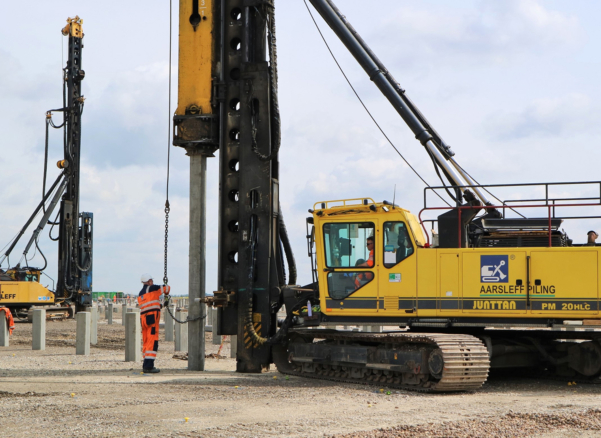
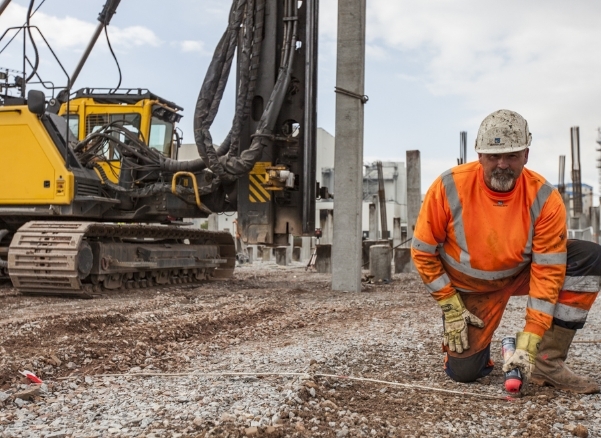
Twister piling refers to a displacement piling method that forms in-situ concrete piles using a rotating installation tool. The process creates twister piles by advancing a specially designed auger into the ground, displacing soil laterally rather than removing it.
This technique produces a dense surrounding ground profile, which contributes to overall stability. By avoiding large-scale excavation, twister piling offers a controlled approach suited to sites where ground disturbance must be limited.
Often associated with proprietary systems, twister piling is a modern piling practice that prioritises efficiency and consistency during installation.
Where Twister Piling is Commonly Used
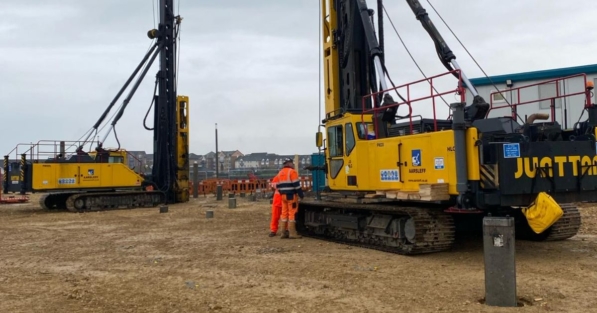
Twister piling is applied across a variety of construction sectors where ground conditions benefit from displacement methods. Typical uses include:
- Residential developments – Supporting housing schemes on sites with variable or soft soils.
- Commercial structures – Providing foundations for offices, retail spaces, and light industrial buildings.
- Urban construction – Suitable for restricted sites where minimising spoil and disruption remains important.
- Infrastructure works – Used in smaller-scale transport and utility projects requiring reliable foundation support.
- Redevelopment sites – Effective in areas with existing ground variability, where soil displacement can improve consistency.
This range highlights how twister piles adapt to differing project requirements.
How Twister Piling is Installed
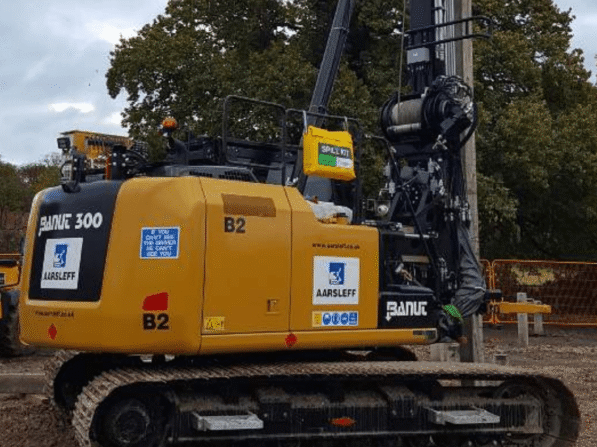
- Installation begins with a specialist rig equipped with a rotating displacement tool. As the tool advances, it pushes soil outward, forming a cavity without generating significant spoil.
- Once the required depth has been reached, concrete or grout is introduced through the tool as it is withdrawn. This forms a continuous pile shaft within the displaced ground.
- Reinforcement may then be placed into the freshly formed pile, depending on structural requirements. The completed twister piles provide a stable load-bearing element integrated within the surrounding soil.
Construction Process Behind Twister Piles
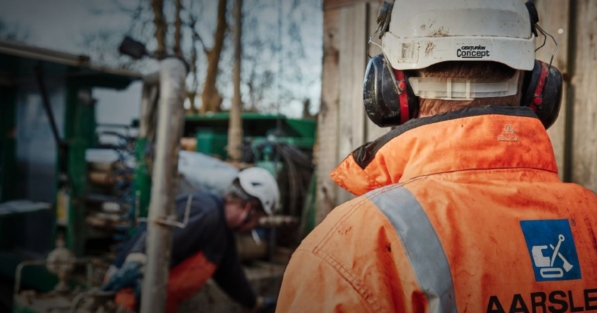
The formation of twister piles relies on a sequence of controlled steps. Ground is displaced rather than excavated, maintaining lateral pressure within the soil. This approach can improve the interaction between the pile and its surroundings.
Concrete placement occurs immediately after drilling to ensure the bore remains stable. The continuous nature of this process supports consistent pile geometry and alignment.
The result is a pile that benefits from both structural strength and enhanced ground conditions, achieved through displacement rather than removal.
Materials Used in Twister Piling
Twister piles are typically formed using concrete or grout, with the choice of material selected for strength and durability. The material is introduced during installation, filling the void created by the displacement tool.
Steel reinforcement may be included where additional tensile capacity is required. The design of this reinforcement depends on load conditions and project specifications.
Material selection can vary depending on environmental factors, particularly where durability and resistance to ground conditions are important considerations.
Ground Conditions for Twister Piling
Twister piling performs effectively in soils that respond well to displacement techniques. Suitable ground conditions often include:
- Soft cohesive soils – Where lateral displacement improves density and stability.
- Loose granular soils – Where ground can be compacted during installation.
- Made ground – Where inconsistent fill benefits from controlled improvement.
- Sites with limited access – Where compact rigs allow installation in confined areas.
Very dense or obstructed ground may reduce efficiency, requiring alternative methods or adjustments to the installation approach.
Benefits of Twister Piling Methods
Twister piling offers several advantages when compared with other piling techniques:
- Reduces spoil generation through displacement rather than excavation
- Improves surrounding soil density during installation
- Minimises disruption in sensitive or built-up environments
- Provides consistent pile formation through controlled processes
- Supports efficient construction in varied ground conditions
In addition, twister piles streamline site operations by minimising material handling and reducing the need for extensive ground removal.


Written by Aarsleff UK
27 May 2026
Aarsleff Ground Engineering is a leading sheet piling supplier and contractor. We specialise in designing and delivering sheet piling solutions across the UK.

Reviewed by Mark Fuller, Piling Director
1 May 2026
Mark Fuller is the Piling Director at Aarsleff Ground Engineering. He has amassed a wealth of experience and knowledge within the specialist piling and ground engineering industry throughout his 20 years of experience in the industry. Mark is directly responsible for the overall driven piling within the business, including technical and operational management of awarded contracts, development of strategic long-term plans and planning of recruitment and resource.
Close