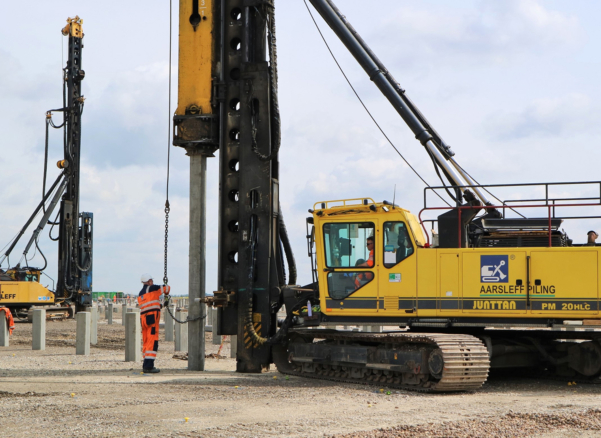
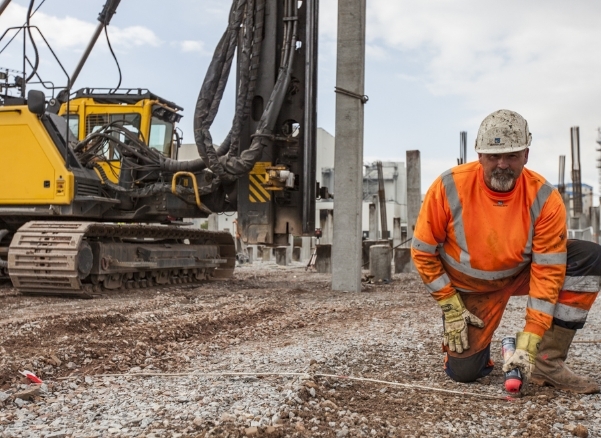
What Is Underpinning?
Table of Contents
- How Is Underpinning Used in Construction?
- What Ground Conditions Are Linked to Underpinning?
- Structural Methods Used for Underpinning
- Installation Sequence and Site Coordination
- Structural Behaviour and Load Transfer
- Factors Affecting Underpinning Selection
- Role of Underpinning in Ground Engineering
Last updated
12 August 2026
How Is Underpinning Used in Construction?
Underpinning refers to a construction method used to strengthen, stabilise, or deepen an existing foundation. The process transfers structural loads to more suitable ground conditions where current support arrangements no longer provide adequate performance.
In ground engineering, underpinning generally refers to foundation improvement beneath existing structures rather than the installation of an entirely new foundation.
Structural movement, changing ground conditions, adjacent excavation works, or increased loading requirements may all influence the selection of underpinning systems. In many projects, foundation strengthening forms part of wider remedial or structural alteration works.
Depending on site conditions and engineering requirements, underpinning can involve mass-concrete sections, piled systems, reinforced beams, or specialist load-transfer methods.
What Ground Conditions Are Linked to Underpinning?
Foundation performance remains closely connected to soil behaviour beneath a structure. Weak, compressible, or variable ground conditions can contribute to settlement movement over time.
Several factors may lead to foundation support works becoming necessary, including:
- Shrinkable clay movement
- Groundwater variation
- Poor historic foundation design
- Adjacent excavation activity
- Structural loading changes
- Made ground instability
Site investigation normally informs engineering assessment before any underpinning approach is selected. Soil composition, groundwater presence, structural loading, and movement patterns all influence design development.
Where existing foundations cannot adequately distribute loads, structural underpinning systems may be introduced to improve long-term stability.
Structural Methods Used for Underpinning
Several underpinning methods are used across modern construction and remedial engineering projects. Selection depends on access restrictions, structural arrangement, ground conditions, and the required load-transfer depth.
Mass Concrete Underpinning
Traditional mass-concrete underpinning involves excavating sections beneath existing foundations before placing concrete to extend the bearing depth.
Works are usually completed in carefully controlled stages to maintain structural stability throughout construction.
Beam and Base Arrangements
Beam underpinning methods transfer loads across reinforced concrete beams connected to new support points beneath the structure.
This arrangement may reduce excavation requirements compared with traditional mass concrete systems.
Mini Piled Underpinning Solutions
Mini piles are regularly used where access restrictions prevent larger equipment from operating effectively. Loads are transferred into deeper bearing strata via compacted pile systems connected to structural beams or pile caps.
In confined urban locations, mini piled underpinning often forms part of complex foundation stabilisation works.
Installation Sequence and Site Coordination
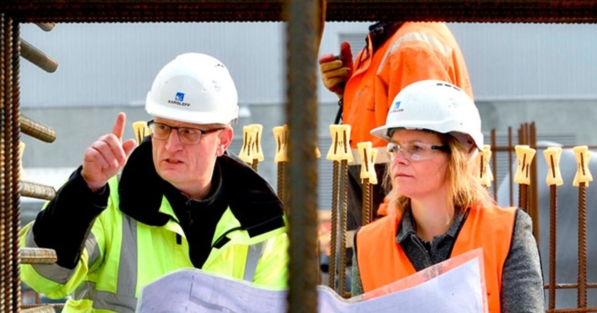
Underpinning projects require careful sequencing due to interaction with existing structures. Construction activities generally progress in controlled phases to reduce the risk of movement during excavation and load transfer operations.
Temporary support measures may be introduced before excavation begins beneath load-bearing walls or structural elements.
Installation procedures can include:
- Structural monitoring
- Excavation beneath existing foundations
- Reinforcement placement
- Concrete installation
- Load transfer sequencing
- Ground stability assessment
Where piles are used, drilling or pile installation normally takes place before beam construction and final connection works proceed.
Accurate coordination remains essential throughout foundation support works, particularly where neighbouring structures or buried services are located nearby.
Structural Behaviour and Load Transfer
Underpinning systems function by redistributing structural loads into stronger or more stable ground conditions. Existing foundations may underperform due to shallow bearing depth, ground movement, or increased loading demands following building alterations.
Foundation strengthening methods improve load transfer performance by extending support below unstable strata or spreading structural loads across improved bearing zones.
In some projects, underpinning also assists with:
- Differential settlement reduction
- Structural crack management
- Stabilisation of retaining structures
- Adaptation for basement construction
- Support during extension works
Engineering calculations determine required support capacity, reinforcement design, and load distribution arrangements throughout the underpinning scheme.
Factors Affecting Underpinning Selection
No single underpinning method suits every structure. Ground conditions, structural layout, access limitations, and adjacent construction activity all influence engineering decisions during project planning.
Foundation stabilisation solutions may vary significantly between older masonry buildings, commercial structures, infrastructure assets, and industrial developments.
Several considerations commonly affect system selection:
- Depth of competent bearing strata
- Existing structural condition
- Groundwater conditions
- Site access restrictions
- Proximity to neighbouring buildings
- Vibration sensitivity
Structural underpinning, therefore, requires close coordination between geotechnical investigation, engineering design, and construction sequencing.
Role of Underpinning in Ground Engineering
Underpinning remains an established part of modern ground engineering and remedial construction. Where existing foundations require improved support, carefully designed underpinning systems allow structural loads to transfer more effectively into suitable bearing ground.
From traditional concrete to advanced piled solutions, foundation support keeps residential, commercial, and infrastructure projects stable.
As ground conditions, loading requirements, and site constraints vary between developments, underpinning approaches are selected according to individual engineering and construction requirements rather than a single standard method.

Written by Aarsleff UK
12 August 2026
Aarsleff Ground Engineering is a leading sheet piling supplier and contractor. We specialise in designing and delivering sheet piling solutions across the UK.

Reviewed by Mark Fuller, Piling Director
14 May 2026
Mark Fuller is the Piling Director at Aarsleff Ground Engineering. He has amassed a wealth of experience and knowledge within the specialist piling and ground engineering industry throughout his 20 years of experience in the industry. Mark is directly responsible for the overall driven piling within the business, including technical and operational management of awarded contracts, development of strategic long-term plans and planning of recruitment and resource.
Close